
Walmart’s Spark Driver and DoorDash rely on independent contractors, pay per offer (plus tips), and include promotions that can raise earnings.
But they differ in order types, payout options, and what independent data says about typical income.
This report lays out the facts so you can decide which fits your goals and your market.
What Each Platform Is—and What You’ll Deliver
Spark Driver is Walmart’s last-mile marketplace for delivering Walmart orders and some partner retailers through Walmart GoLocal.
Drivers can accept Delivery, Shopping & Delivery, and Returns offers; there are also “dotcom” (general merchandise) orders shipped from walmart.com.
DoorDash connects “Dashers” with restaurant, grocery, convenience, and retail deliveries.
You can Dash Now when demand allows or schedule blocks in advance to secure time on the platform.
Bottom line
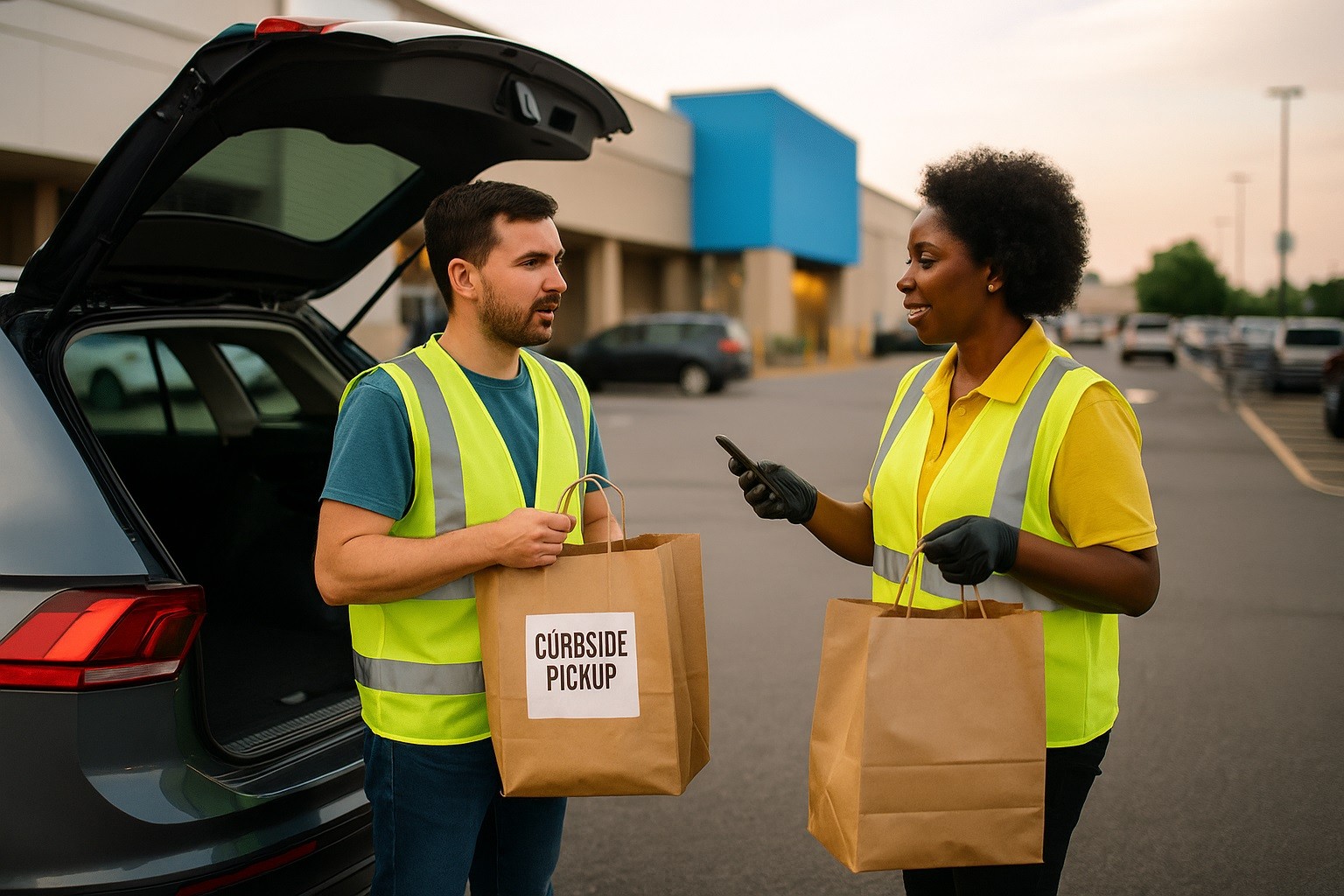
If you prefer a mix of grocery shopping, curbside pickup, and non-grocery parcels, Spark’s offer types are broader within the Walmart ecosystem.
If you want primarily restaurant and convenience deliveries across many merchants, DoorDash is designed for that.
Pay Models: Base Pay, Tips, and Promos
DoorDash pay has three parts: base pay, customer tips, and Promotions (e.g., Peak Pay, Challenges).
The company states base pay ranges depending on time, distance, and desirability, and Dashers keep 100% of tips on top of base and promos.
Spark calculates earnings by trip, based on factors such as distance, time, order size, and extras (e.g., heavy items or apartments).
Spark also states that drivers keep 100% of customer tips; additional incentives run on top and are typically processed after completion windows.
Tip adjustments
A recurring driver concern is post-delivery tip changes. Spark has been scrutinized for “tip baiting,” where customers pledge large tips.
Walmart’s documentation indicates customers can edit a tip for a short window after delivery and add an additional tip for a period afterward.
That suggests reductions are time-limited and increases can still arrive later.
Platform stability
In 2024–2025, Walmart acknowledged system issues that led to drivers receiving retroactive tip adjustment payouts once the errors were resolved.
Such incidents don’t define typical earnings but do illustrate operational differences you may weigh.
Payout Options and Speed
DoorDash offers weekly direct deposit by default, plus ways to accelerate pay:
Fast Pay (instant cash-outs for a fee) and DoorDash Crimson, a banking account that provides instant pay after every dash with no deposit fees.
Spark lets you choose weekly direct deposit or instant deposits after each trip through ONE/OnePay (Walmart-affiliated).
Bottom line
Both can pay you the same day, but the mechanism differs. Dashers can use Crimson; Spark drivers can use ONE/OnePay.
Scheduling and Flexibility
DoorDash supports Dash Now when demand is high and schedules shifts to guarantee time on the app.
Official guidance encourages scheduling to ensure consistency when Dash Now isn’t available.
Spark receives offers in your zone and can cherry-pick—some offers are timed, round-robin assignments; others are open to all nearby drivers.
Your mix of curbside, shopping, and returns will vary by store and time of day.
Bottom line
DoorDash offers clearer calendar control; Spark is more about waiting for and selecting offers in your area.
Market Coverage and Order Volume
Spark operates widely across the United States, reflecting Walmart’s store footprint and GoLocal partners.
DoorDash operates across North America and internationally, and in many U.S. suburbs, the app can be busy across lunch, dinner, and late night.
Company guidance focuses on finding peak times and using the schedule to match demand.
Bottom line
If your area has multiple Walmarts with active Spark zones, Spark volume can be strong—especially for groceries.
In dense restaurant corridors, DoorDash demand can be more continuous throughout the day.
What Independent Data Says About Earnings
No gig platform guarantees a fixed hourly rate; earnings vary by market, time, and strategy.
- DoorDash: Third-party analytics (e.g., Gridwise) reported average weekly earnings around the mid-$200s in 2024, with hourly earnings a little above $12 when inactive time is included.
- Industry trend: Trade press summaries of 2024 data noted many gig platforms saw stagnant or declining hourly pay, with DoorDash’s weekly totals up but hourly down as drivers worked slightly more hours.
- Spark: Industry roundups and app-tracking reports in early 2025 often cite $15–$24 per hour ranges, while emphasizing that actual results vary significantly by market conditions and order mix.
These figures are gross and don’t include your costs (fuel, maintenance, insurance, and taxes).
Requirements and Onboarding
DoorDash has flexibility on vehicle type; you can use a car (and in some markets a bike or scooter). Background checks apply.
Spark requires a reliable, insured vehicle and a background screening (motor vehicle and criminal history, consistent with applicable laws).
If you like in-store shopping, Spark’s Shopping & Delivery orders add variety but take longer per trip.
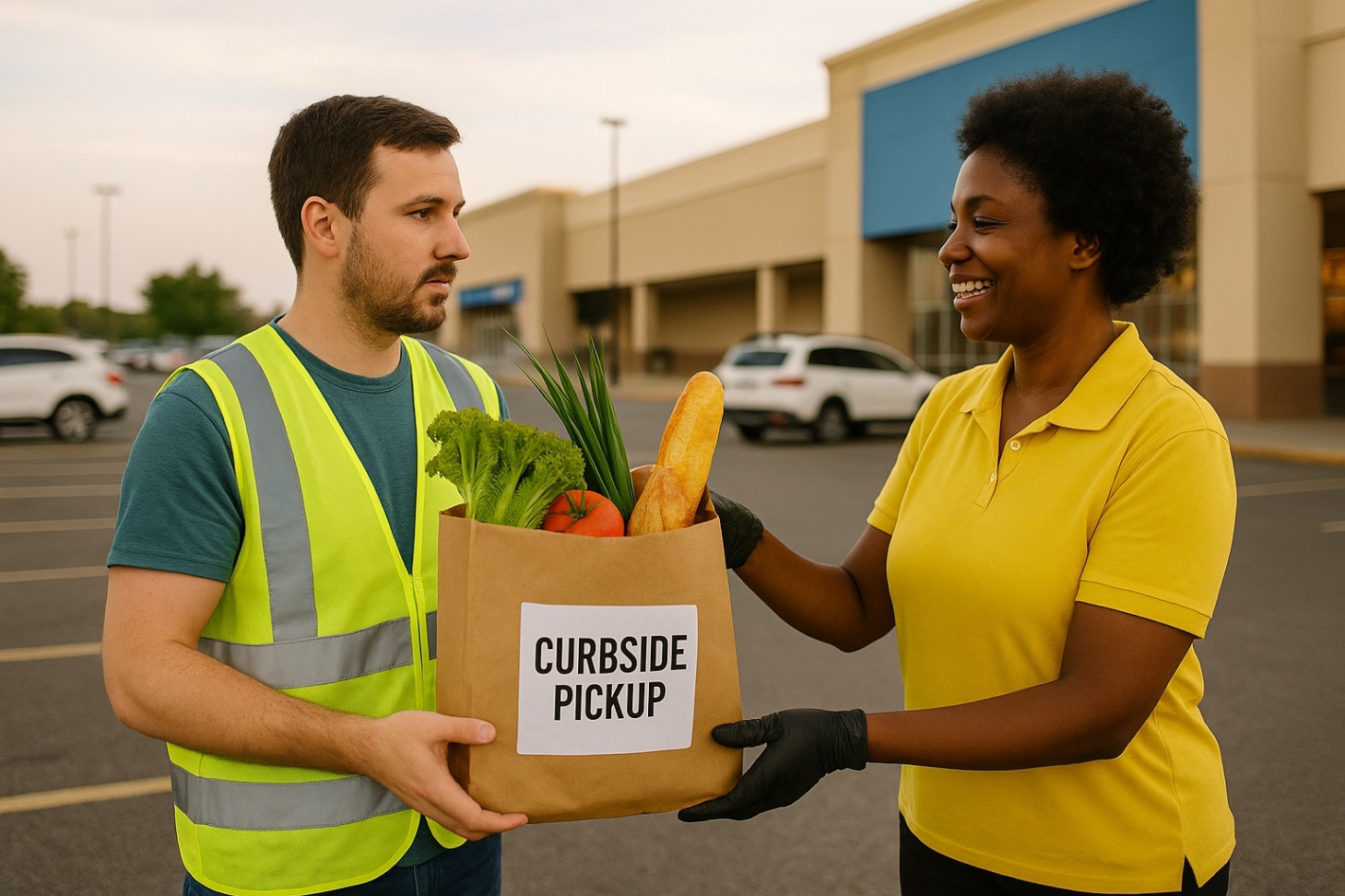
If you prefer quick curbside pickups or restaurant handoffs, DoorDash and Spark’s curbside/delivery offers may be more efficient.
Pros and Cons at a Glance
Consider:
Spark Driver
Pros
- Broad order types (curbside grocery, dotcom parcels, returns, and some non-Walmart retailers), which can diversify earnings streams.
- Instant payouts per trip via ONE/OnePay when set as primary.
- Round-robin assignments can reduce competition on certain offers.
Cons
- Tip-change anxiety: reductions are possible within a short post-delivery window.
- Occasional operational glitches have prompted retroactive adjustments—disruptive when they occur.
DoorDash
Pros
- Large restaurant/convenience selection and the ability to Dash Now during busy periods or schedule to lock in time.
- Transparent pay framework (base + tips + promos), with 100% of tips to Dashers.
- Crimson account enables instant pay after every dash without deposit fees.
Cons
- Base pay can be low on short, undesirable, or long-distance offers
- Hourly earnings in national data are modest unless you optimize your strategy.
Which Is Better For You?
Use a two-week test, track your true net per hour and per mile, and let your local data decide.
Choose Spark Driver if…
Your area has active Walmart stores with steady order flow, and you’re comfortable with grocery workflows and occasional in-store shopping.
You value instant per-trip payouts through ONE and don’t mind a learning curve around offer types, round-robin timing, or batching.
Choose DoorDash if…
Your market has strong restaurant demand, and you want the flexibility to Dash Now or schedule.
You prefer shorter deliveries with rapid turnover and want instant pay through Crimson without per-cash-out deposit fees.
Consider running both
Analytics consistently show that app choice, time of day, and market matter; multi-apping and selective acceptance can boost effective hourly earnings.
Conclusion
There is no universal “winner.” If your Walmart zone is busy, and you’re willing to shop when needed.
Spark can produce solid gross earnings—especially with instant deposits and incentives.
If you prefer pure food-and-retail dispatch with strong evening peaks and clear scheduling tools, DoorDash often provides steadier day-to-day volume.