This Amazon Flex blocks routes guide shows you how to deliver with your own car as an independent contractor on flexible, pre-scheduled shifts.
You pick offers in the app, complete the route, and get paid by direct deposit or instant cash-out (where available).



How Amazon Flex Works
Flex is a smartphone-based platform. After onboarding, you open the Offers tab in the app to grab delivery blocks—most commonly 2–4 hours.
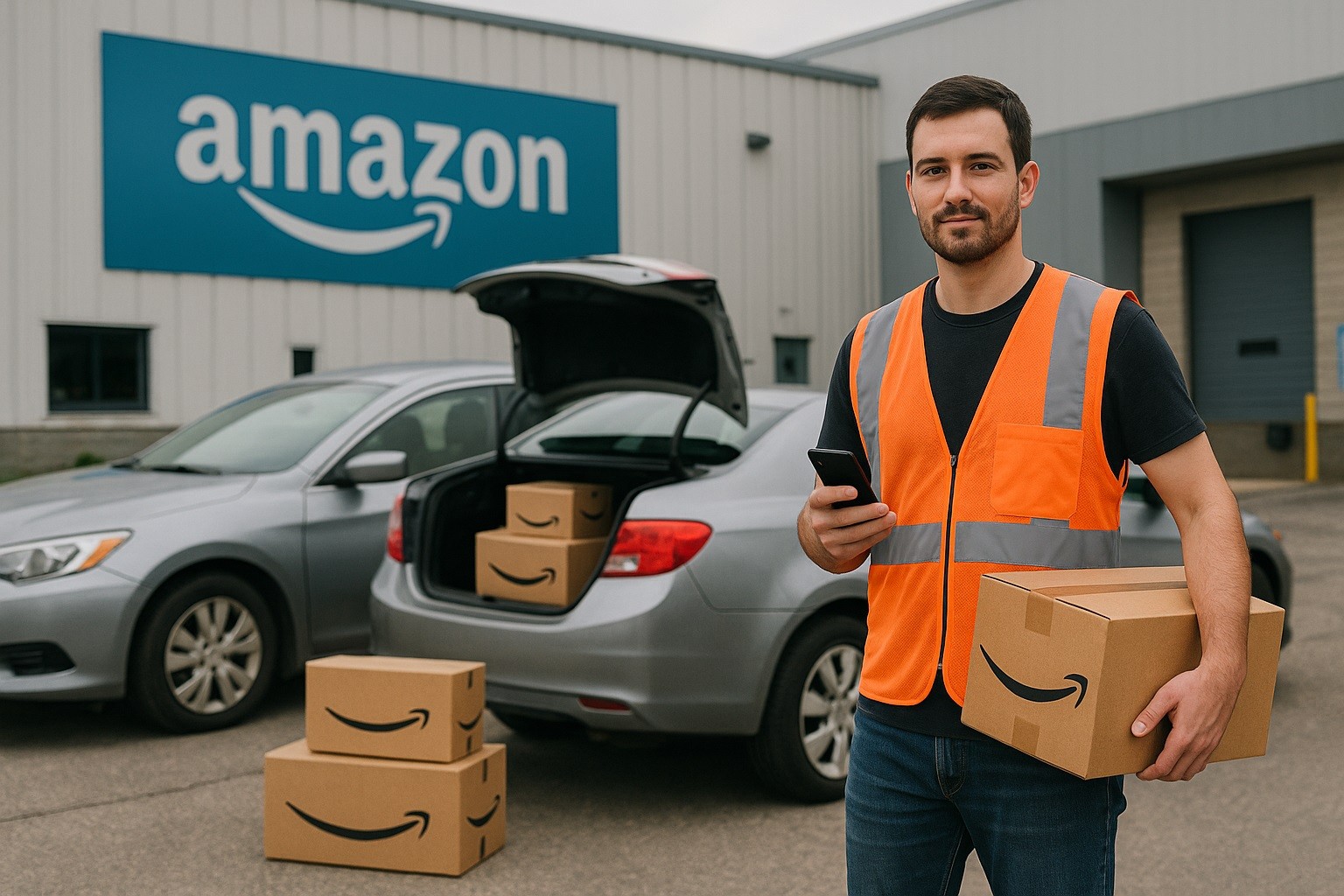
You drive to the assigned Amazon delivery station or retail partner, scan and load packages, follow in-app navigation, and deliver items to customers.
When you finish the block, the app closes out your route and queues payment automatically.
In many areas, Instant Pay/Cash-out is available for faster access to earnings; tip-eligible orders finalize after the customer tipping window closes.
Common order types
Amazon.com Logistics: Standard parcels from Amazon delivery stations.
Amazon Fresh / Whole Foods Market: Grocery orders that are typically tip-eligible.
Store Orders: Select retail partners in certain markets.
Pay and Typical Earnings
Amazon markets a typical range of $18–$25 per hour, but it’s important to treat that as a range, not a guarantee.
Block pay fluctuates by metro area, time of day, weather, holidays, and real-time demand.
Some blocks surge (especially around peak season), while others post closer to the low end until demand rises.
Your net depends heavily on vehicle efficiency, route density, traffic, and how consistently you can secure well-paid blocks.
What affects your hourly
For grocery blocks, tips can lift hourly results; Amazon states drivers receive 100% of customer tips.
Payout is typically weekly by direct deposit, and Instant Pay/Cash-out is available in many markets for a small fee or program rule (details vary by region).
As a contractor, you’re responsible for income and self-employment taxes. More stops or longer routes affect time and fuel.
Requirements and Onboarding
Baseline U.S. requirements commonly include being 21 or older and having a valid U.S. driver’s license and personal auto insurance.
Your vehicle must be a 4-door midsize sedan or larger (SUV, van, or truck) capable of carrying multiple packages; local rules may vary.
You must pass a third-party screening before you begin delivering, and provide tax information and consent to contractor terms.
Availability varies by city. If your area is full, the app may place you on a waitlist and notify you when spots open.
Step-by-Step: Getting Started on Best Amazon Flex Blocks
Apply to make the most of the Amazon Flex blocks routes guide.
- Check availability and sign up. Go to the Amazon Flex website/app, choose your city, and start the application. If slots are unavailable, join the waitlist.
- Submit documents. Upload driver’s license, vehicle insurance, and tax info.
- Background screening. Complete the required check; timing varies by market.
- Complete onboarding modules. The app guides you through safety, loading, navigation, and delivery procedures.
- Set payment preferences. Choose weekly deposits or enable Instant Pay/Cash-out where available.
- Book your first block. Arrive on time at the assigned station/store, load as directed, follow the route, and mark stops completed.
- Get paid. Base pay posts after the block; tips (if any) post after the customer window.
Pros and Cons
Pros
- Schedule control: You accept only the blocks you want; useful for side income.
- Transparent block pay: See the amount and duration before accepting.
- Tip-eligible orders: Grocery blocks can boost earnings.
- Fast payouts: Instant Pay/Cash-out in many areas.
Cons
- Variable availability: Desirable blocks can be in high demand, especially during popular times or in dense cities.
- You cover your costs: Fuel, maintenance, tires, depreciation, and higher-than-average insurance premiums for frequent driving are on you.
- Earnings volatility: Rates and demand shift with seasons, weather, and local supply/demand.
- No employee benefits: As an independent contractor, you don’t receive employer-provided health insurance, paid leave, or retirement plans.
Good Practices of an Amazon Flex Route Planner
Use a mileage app or maintain a written log from the first business mile of the day.
Tolls, parking, phone mounts, chargers, windshield fluid, and similar items may be deductible if ordinary and necessary.
Set aside a portion of earnings for quarterly estimated payments to avoid penalties.
Safety and Professionalism
Adhere to loading procedures and weight limits; don’t overload to the point of unsafe visibility.
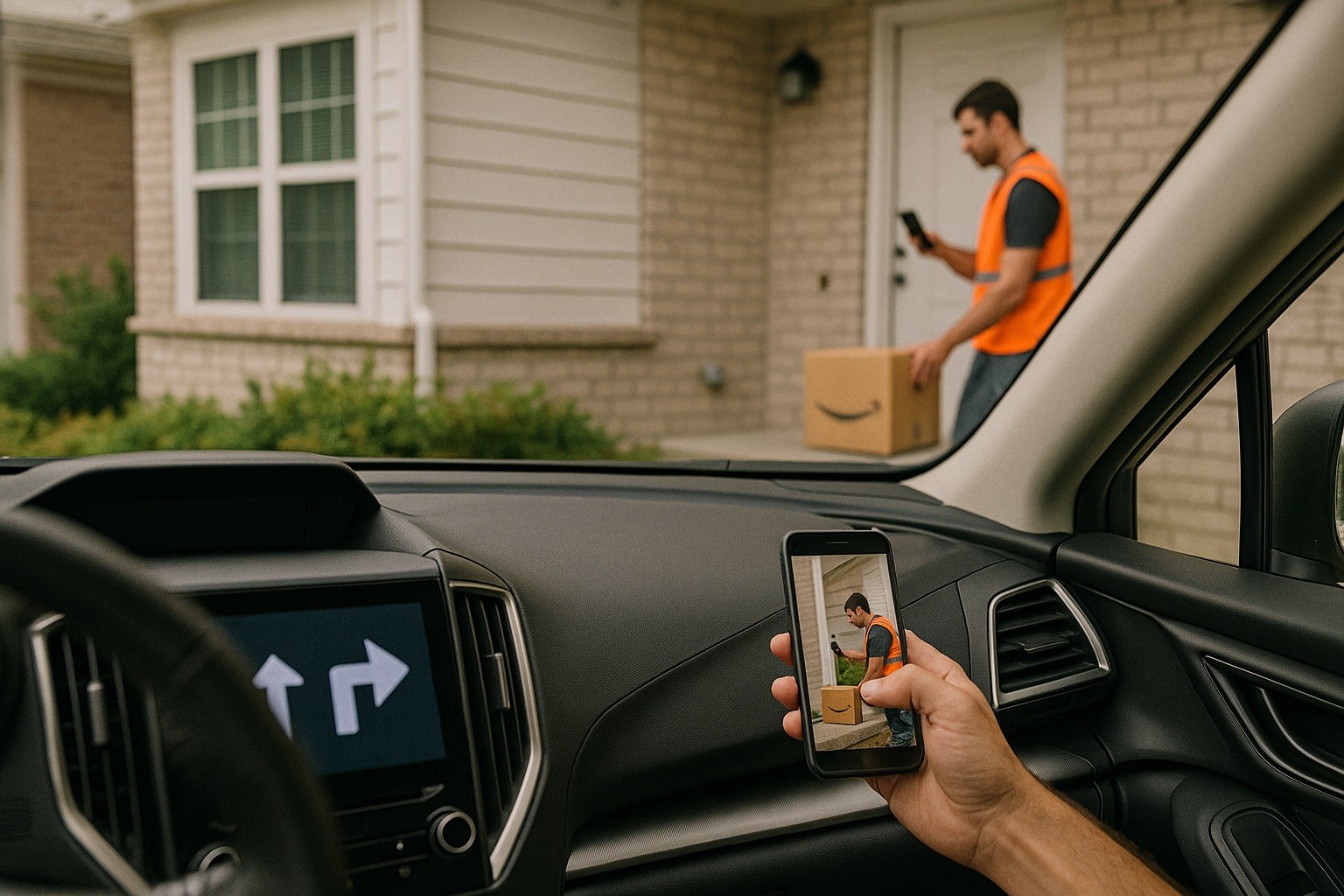
Use bins or blankets to prevent shifting; keep fragile items separated. Place packages out of sight from the street when possible and photograph deliveries.
If you can’t access a building or locate a unit, contact the customer through the app and follow the fallback instructions.
If weather or road conditions deteriorate, prioritize safety and follow official instructions in the app.
Amazon Flex Blocks Routes Guide
Think of a Flex “block” as a fixed-time delivery shift you reserve in the app. Your goal is to maximize the safe completion rate within that time window.
Blocks surface most reliably in the hour or two before station waves, around evenings and weekends, and during retail peaks and bad weather.
Refresh often, and only accept blocks whose duration, distance to the station, and pay make sense for you.
If your market offers both parcels and groceries, learn which times and neighborhoods yield steadier tips or shorter drive times.
Good Preparation
Preparation starts before you tap “accept.” Keep your phone fully charged, cache maps for weak-signal zones, and clear trunk space so packages won’t shift.
Wear a visible vest, bring a flashlight, pen, and door-stopper wedge for multi-unit buildings, and have a small towel or mat to set packages down.
Confirm you have the right vehicle for the load and that your fuel range covers the entire block plus a buffer for returns.
Is Amazon Flex Worth It?
Amazon Flex can be a solid supplemental income option if you value schedule control and understand the contractor model.
The advertised $18–$25 per hour is achievable in many markets, especially during busy periods, but it’s not guaranteed.
Flex isn’t a full employee role with benefits, so it pairs best with other work or commitments.
If you track miles, control costs, and learn your local demand patterns, you can keep effective hourly earnings competitive for gig work.
Bottom Line
With Amazon Flex blocks explained, expect variable pay; treat the headline range as guidance, not a promise.
Keep tight records and use the mileage deduction or actual expenses to manage taxes.
Experiment with times, neighborhoods, and order types to find the sweet spot in your Amazon Flex route map.